Colorado’s mountain towns stay busy right through the summer — the state’s tourism industry pulled in a record $29.2 billion in 2025.
The trailheads, hot springs, and gondolas below get busy fast, and a weekend is short enough that a wrong turn can eat half your trip.
What follows is built around the parts that actually make or break a two-day trip: how far each spot is from Denver, what altitude does to a short visit, and where a group can stay together instead of splitting into three hotel rooms.
Quick answer: the best Colorado weekend getaways pair a short drive (under 3 hours from Denver) with one solid anchor activity, not a packed itinerary you’ll never finish. Below are eight towns that deliver on that, plus the planning details that make a two-day trip work.
Jump to: Planning Tips · Leadville · Glenwood Springs · Breckenridge · Estes Park · Buena Vista · Crested Butte · Steamboat Springs · Telluride · FAQ
How to Actually Plan a Colorado Weekend Getaway
Give yourself Friday afternoon through Sunday evening, and pick a home base under three hours from Denver so you’re not spending half the trip in the car.
Altitude is the detail that catches most first-time visitors off guard.
Towns above 9,000 feet, like Leadville, Breckenridge, and Crested Butte, can leave flatlanders winded and headachy for the first day.
Build in a slow first evening, drink more water than feels necessary, and save the strenuous hike for day two.
Summer weekends (June through early September) book up fastest, especially anywhere with a hot spring or a gondola.
If you’re traveling with a group of six or more, for a reunion, a corporate retreat, or a wedding weekend, call ahead.
Group lodging in these towns is limited and it goes first — our roundup of the best places to stay in Colorado is a good starting point.
Leadville: Colorado’s Highest Mountain Town
Leadville sits at 10,152 feet, which makes it the highest incorporated city in the United States, according to The Colorado Sun.
It’s about two and a half hours from Denver on a clear day.
Once you’re in town, our guide to things to do in Leadville runs through the trails, history stops, and food beyond the highlights below.
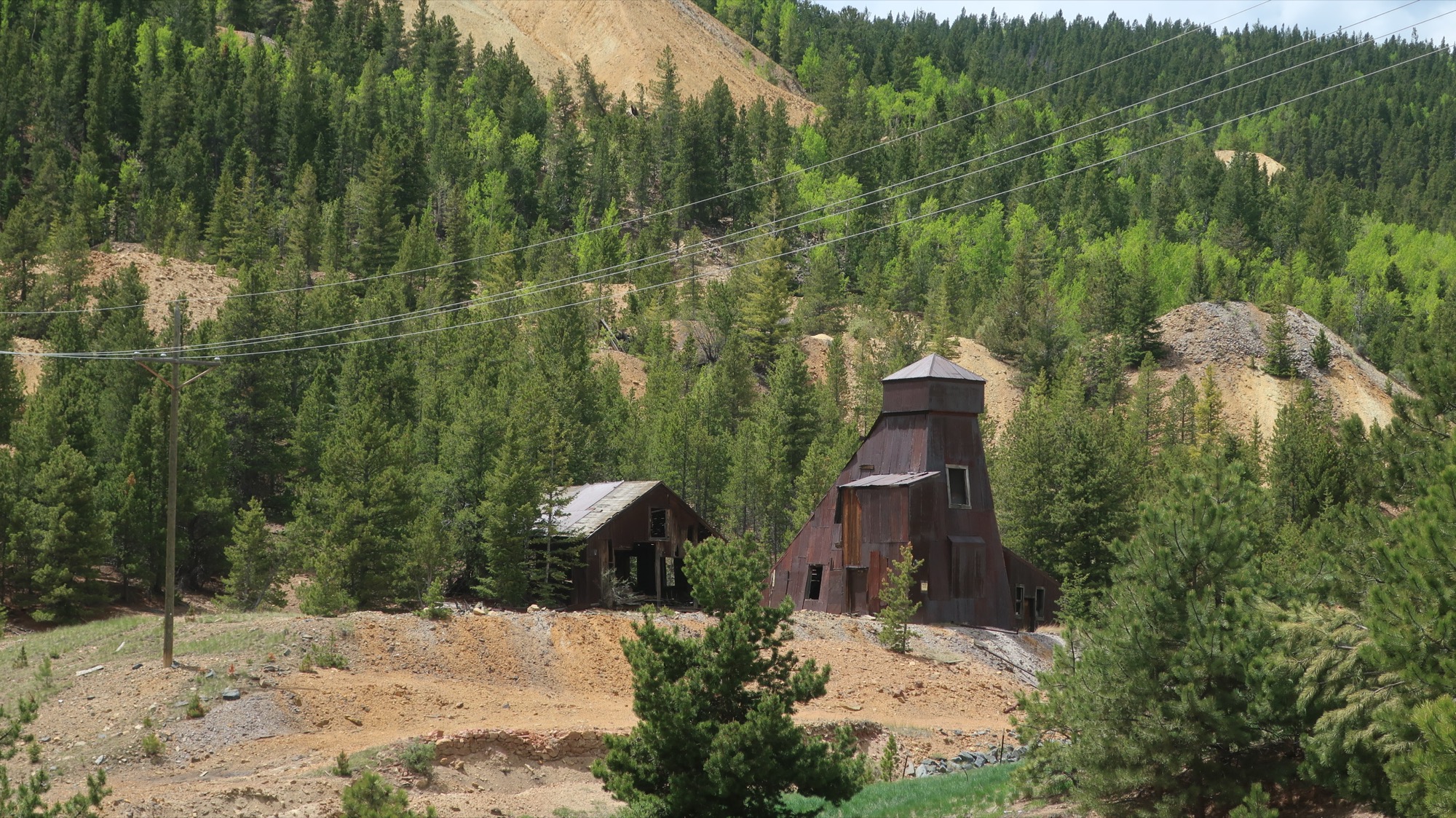
The 11.6-mile Mineral Belt Trail loops the old mining district for an easy bike or walk with big Sawatch Range views.
History buffs should carve out an afternoon for the Tabor Opera House, built in just 100 days in 1879 and still standing downtown.
In winter, Ski Cooper offers lift tickets at a fraction of the big-resort price, ten miles north on Tennessee Pass.
Leadville is also a genuinely good home base for a group that wants to stay together instead of splitting across separate hotel rooms.
Freight is a fully restored 1800s freight depot in town, with a full-property buyout option and on-site cabin lodging for groups of 5 to 200, so a reunion, retreat, or wedding weekend has dedicated gathering space built in.
Passing through Leadville with your crew? See private events at Freight — we’d love to help you plan the weekend around it.
Glenwood Springs: The Hot Springs Classic
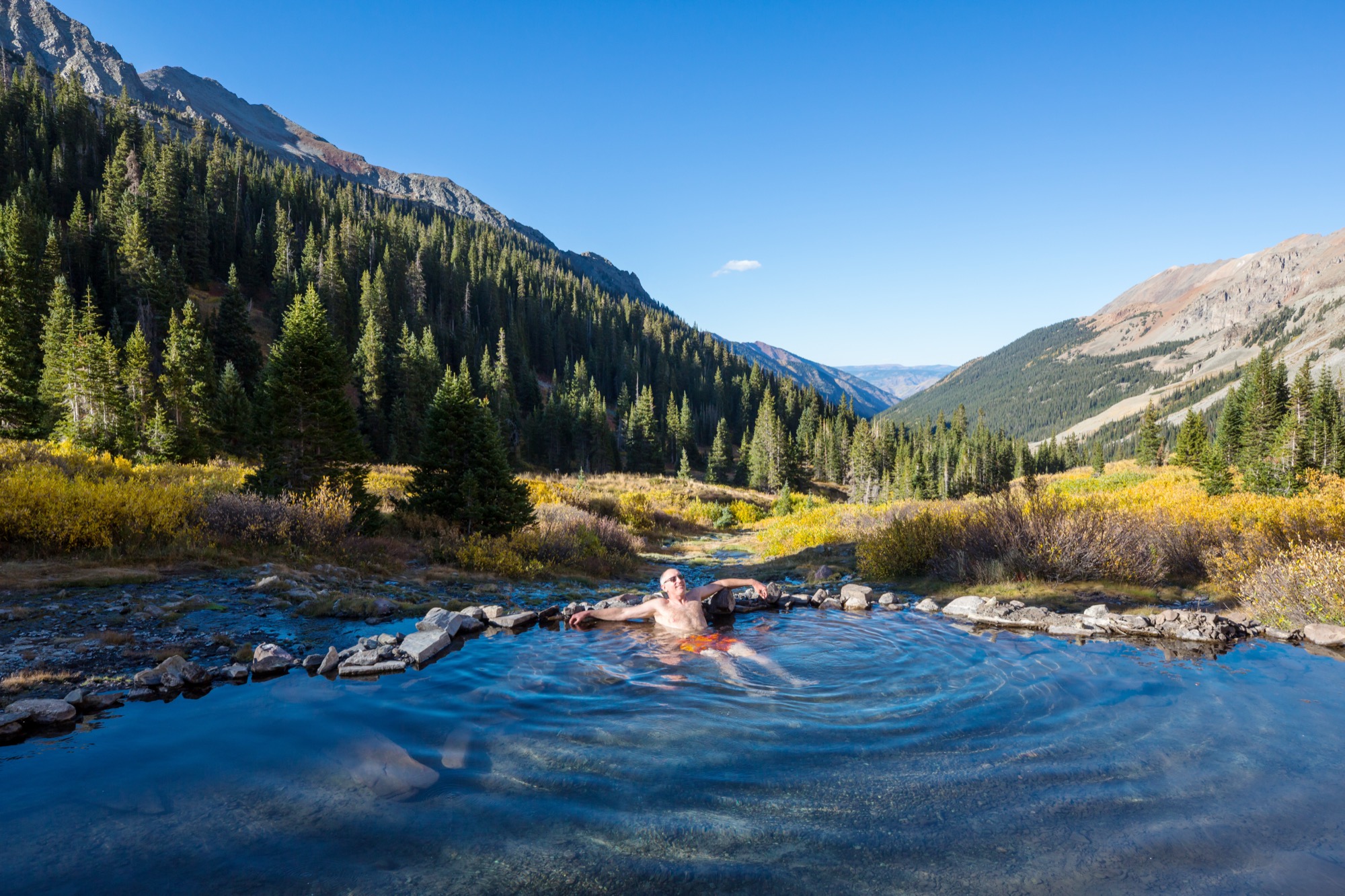
Glenwood Springs is about two and a half hours west of Denver on I-70, and it’s built around one thing: the world’s largest hot springs pool, open since 1888.
A day pass gets you the Grand Pool plus the adults-only Sopris pool next door.
Between soaks, ride the Glenwood Canyon bike path along the Colorado River, or take the alpine coaster above town for a faster-paced afternoon.
This is the easiest hot-springs weekend to reach from Denver, which is exactly why it books out first for summer Saturdays.
Breckenridge: Walkable and Close
Breckenridge is under two hours from Denver, making it the shortest real mountain-town drive on this list.
The historic Main Street is walkable end to end, lined with Victorian-era buildings, local shops, and enough restaurants that you won’t need a car once you’ve parked.
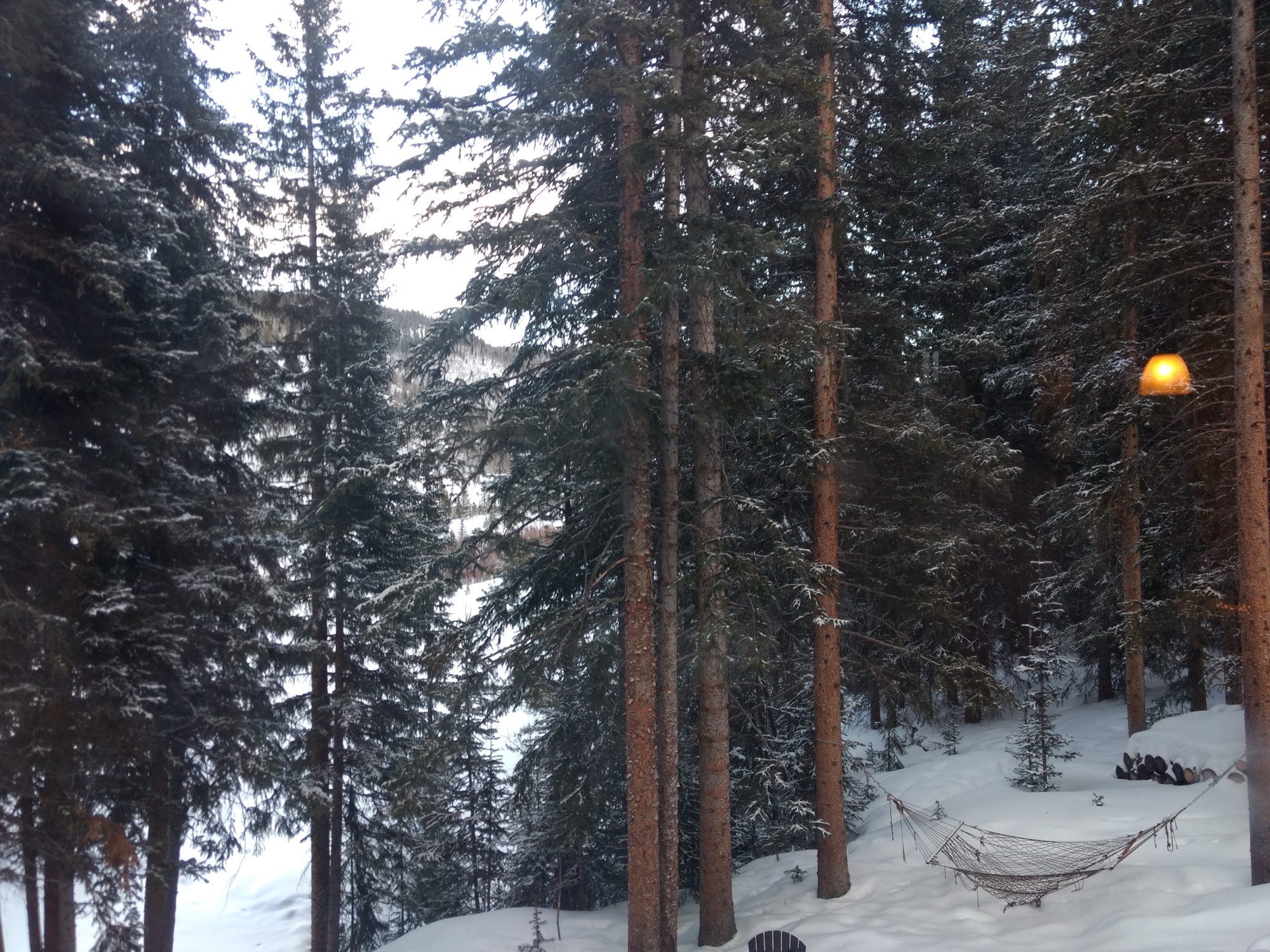
Summer here means lift-served mountain biking and hiking straight from town; winter means skiing without the extra hour Vail or Aspen would add to your drive.
The Breckenridge Tourism Office runs a welcome center on Main Street if you want a local’s take on what’s open.
Estes Park: Rocky Mountain National Park’s Front Door
Estes Park sits right against Rocky Mountain National Park, about two hours northwest of Denver, and the town itself is built for a weekend: lake walks, elk that wander into town most evenings, and a downtown you can cover on foot.
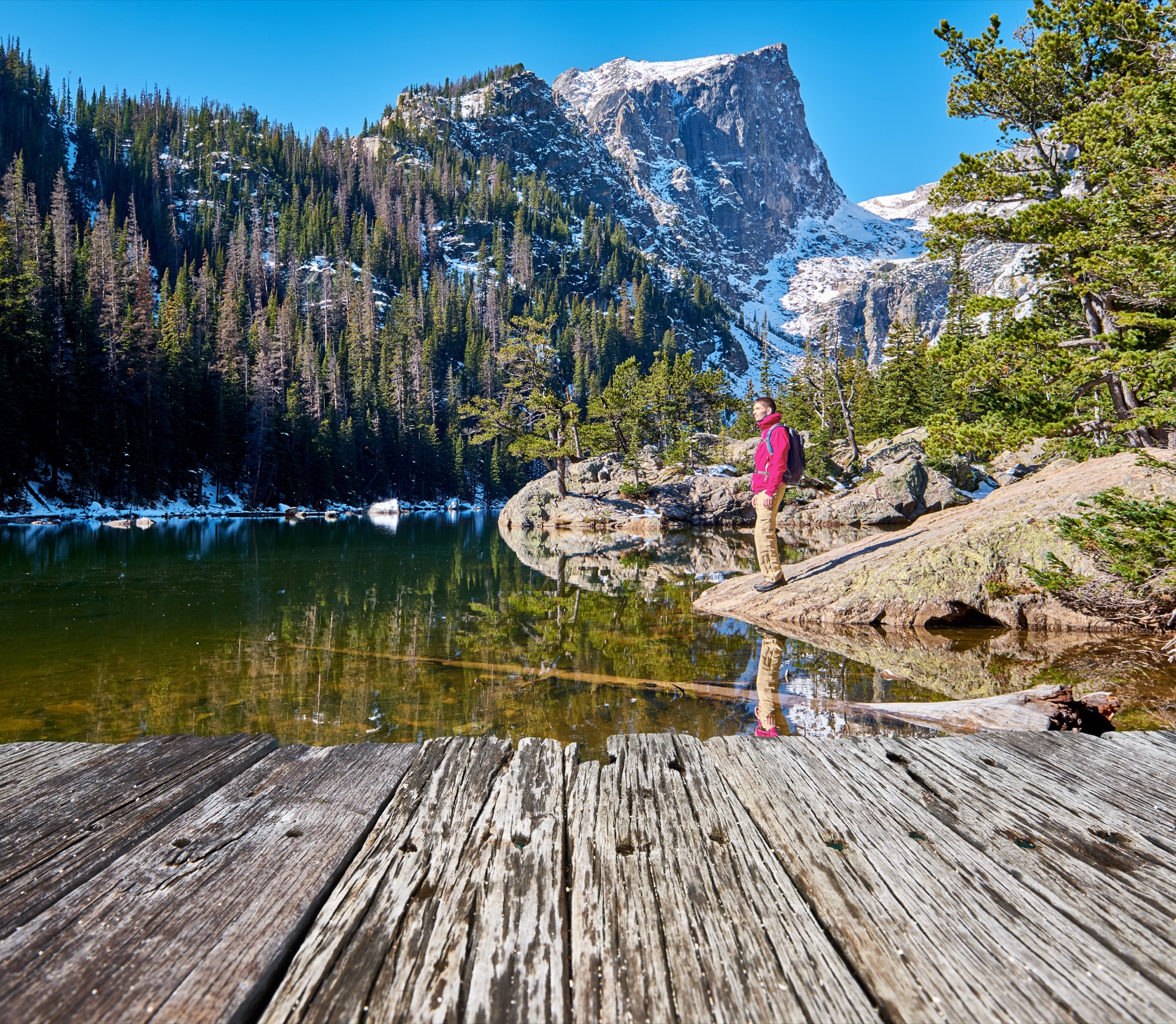
The park requires a timed-entry permit during peak summer months, so book that before you book the hotel.
Dream Lake and Bear Lake are the two hikes worth prioritizing if you only have one full day inside the park.
Buena Vista: The River Town
Buena Vista is about two and a half hours from Denver, tucked in the Arkansas River valley with the Collegiate Peaks as a backdrop.
Mount Princeton Hot Springs Resort sits just outside town, mixing developed pools with primitive creek-side soaking spots along Chalk Creek.
The Arkansas River through here is one of the most-run whitewater stretches in the state, and outfitters in town run half-day trips that fit easily into a Saturday morning.
Come afternoon, downtown Buena Vista has more breweries per block than a town this size has any right to.
Already picturing next summer’s trip? Get in touch with Freight to talk dates for a Leadville weekend of your own.
Crested Butte: The Wildflower Capital
Crested Butte earned its official title as Colorado’s Wildflower Capital from the state legislature in 1990, and the meadows around town back it up every July.
It’s a longer drive, around four hours from Denver, which keeps the crowds thinner than the towns closer to the interstate.
The Crested Butte Mountain Heritage Museum downtown is a good rainy-afternoon stop, covering the town’s mining and skiing history in one small building.
Mountain biking put this town on the map before it was a ski destination — locals rode the rough Pearl Pass road over to Aspen back in 1976, and the trail network around town still reflects that history.
The town sits around 8,900 feet, with the ski area three miles up the road at Mt. Crested Butte, so staying in town keeps you on the flatter, more walkable end.
The Wildflower Festival runs about ten days each July with guided hikes and workshops, and that stretch is the hardest time of year to find a room.
Steamboat Springs: The Western Ski Town
Steamboat Springs is roughly three hours northwest of Denver and keeps more of its working-ranch character than most Colorado ski towns.
Strawberry Park Hot Springs is the draw here, a set of stone-masonry pools along a mountain creek that require a 4WD vehicle or a shuttle to reach in winter.
Downtown Steamboat still centers on its rodeo grounds and a genuinely local Main Street, not a resort village built for tourists.
It’s a good pick if the group wants a mountain weekend that doesn’t feel like a theme park.
Steamboat calls itself Ski Town USA, and it has the record to back it up: the town has sent more than 100 athletes to the Winter Olympics since 1932, more than anywhere else in the country.
You don’t have to drive out to Strawberry Park to soak, either. Old Town Hot Springs sits right downtown, with mineral pools, water slides, and a lap pool in one spot.
Fish Creek Falls is the other easy win, a 283-foot waterfall about five miles from downtown with a short quarter-mile walk to the lower viewpoint.
Telluride: The Box Canyon
Telluride sits at the end of a dead-end box canyon about six hours from Denver, which makes it the farthest stop on this list and the one that rewards making a full trip out of it rather than a quick weekend.
The free gondola connecting Telluride to Mountain Village is the town’s signature ride, and it runs nearly year-round.
Bear Creek Falls is an easy in-town hike, and the box canyon setting makes almost every street in town end in a mountain view.
The whole downtown is a National Historic Landmark District, one of only a handful in Colorado, so the Victorian storefronts along Colorado Avenue are the real thing rather than a rebuild.
Butch Cassidy robbed his first bank here, the San Miguel Valley Bank, in 1889, and the building still stands on the main street.
For a bigger payoff than Bear Creek, the trail toward Bridal Veil Falls climbs to Colorado’s tallest free-falling waterfall at 365 feet, with a private power station perched at the top.
Colorado Weekend Getaways: Frequently Asked Questions
What are the best weekend getaways in Colorado?
Glenwood Springs and Breckenridge are the easiest first picks since both are under two and a half hours from Denver with one clear anchor activity. Leadville is the best choice for a group that wants somewhere to actually gather together instead of scattered hotel rooms.
What’s the best time of year for a Colorado weekend getaway?
June through early September covers the widest range of open trails and hot springs, but it’s also when towns book up fastest. Shoulder-season weekends in late September or early June get you the same views with far less competition for lodging.
How far in advance should I plan a Colorado mountain weekend?
Book lodging at least four to six weeks out for a summer Saturday, especially in Glenwood Springs, Breckenridge, or Estes Park. If your group is six or more people, book even earlier since multi-room and event-space availability disappears first.
Is Leadville a good home base for a Colorado weekend trip?
Yes. It’s roughly central to several other towns on this list, sits right on the Mineral Belt Trail, and has dedicated gathering space at venues like Freight for groups who want to stay together rather than split across hotels.
Where’s the cheapest weekend getaway in Colorado?
Ski Cooper near Leadville offers lift tickets well below the big-resort price, and Buena Vista’s brewery-heavy downtown and free river access keep a weekend there affordable without cutting the trip short.
A Colorado weekend getaway works best when you pick one town, one solid anchor activity, and leave the rest of the schedule loose.
Ready to see Freight in person?
See the historic freight depot and start planning your Leadville weekend.
See Weddings & Events at Freight